Buy zahnlabor.eu ?
We are moving the project
zahnlabor.eu .
Are you interested in purchasing the domain
zahnlabor.eu ?
domain@kv-gmbh.de · 0541-91531010
Buy zahnlabor.eu ?
How much does dental bonding cost?
The cost of dental bonding can vary depending on several factors such as the extent of the treatment, the location of the dental practice, and the expertise of the dentist. On average, the cost of dental bonding can range from $100 to $400 per tooth. It is important to consult with a dentist to get an accurate estimate of the cost based on your specific needs. Additionally, dental insurance may cover a portion of the cost of dental bonding, so it is recommended to check with your insurance provider for coverage details. **
What distinguishes all types of bonding: ionic bonding, metallic bonding, and covalent bonding?
Ionic bonding involves the transfer of electrons from one atom to another, resulting in the formation of positively and negatively charged ions that are attracted to each other. Metallic bonding involves the sharing of electrons among a sea of delocalized electrons, creating a "sea of electrons" that holds the metal atoms together. Covalent bonding involves the sharing of electrons between atoms, resulting in the formation of molecules. Despite their differences, all types of bonding involve the interaction of electrons between atoms to form stable chemical compounds. **

Similar search terms for Bonding
Top-Angebote
Products related to Bonding:
-
Olaplex Nº 7 Bonding OilA hair-care product. It an ultralight, highly concentrated that adds smoothness and strength and enhances all hair types and textures. When used before thermal smodeling devices provides heat protection up to 230°C/450°F. Reduces drying time while smoothing and untangling hair slings. It does not leave any residues or add weight, and can even be used on very thin hair.40,64 £*Shipping: 6,94 £Secure redirect to the provider
-
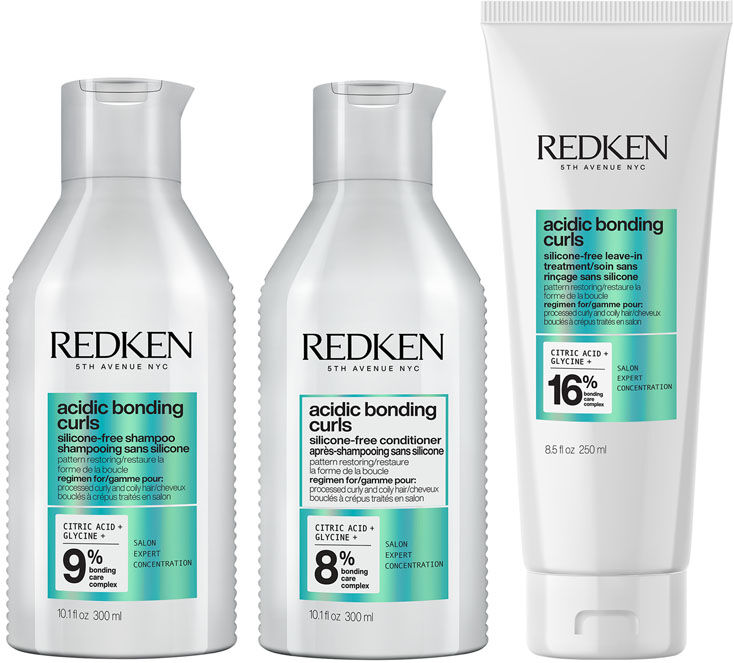
Redken Acidic Bonding Curls PackRepair inner curl strength and restore your curl pattern with Redken's Acidic Bonding Curls! The Acidic Bonding Curls Shampoo and Conditioner nourishes the hair, with curls (types 3A - 4C) feeling intensely conditioned and hydrated for up to 96 hours*. What's Included? Redken Acidic Bonding Curls Shampoo 300ml Redken Acidic Bonding Curls Shampoo 300ml Redken Acidic Bonding Curls Leave-In Treatment 250ml Acidic Bonding Curls is powered by the Curl Bond Technology which penetrates the hair cortex to build bonds and repair curl strength from the inside-out, whilst Citric Acid and Glycine helps rebalance hair back to its healthiest pH for healthy-feeling hair. The formula is also infused with natural oils such as coconut oil, to help keep curls feeling hydrated. As a result, broken inner bonds are repaired from the inside and the curl pattern is enhanced with natural movement. The range is also sulfate-free to provide gentle cleansing and silicone-free for lightweight, bouncy and curls which feel hydrated. Acidic Bonding Curls System helps restore your pattern's strength, shine, and definition, while making your curls feel more hydrated. Use as a complete regimen with Acidic Bonding Curls shampoo and leave-in treatment. Shampoo Ingredients: 1218391RK44 - INGREDIENTS: AQUA / WATER • SODIUM COCOYL ISETHIONATE • DECYL GLUCOSIDE • COCAMIDOPROPYL BETAINE • SORBITOL • CITRIC ACID • HYDROXYETHYL UREA • POTASSIUM HYDROXIDE • POTASSIUM COCOYL GLYCINATE • PPG-5-CETETH-20 • PANTHENOL • SODIUM BENZOATE • HYDROXYPROPYL GUAR HYDROXYPROPYLTRIMONIUM CHLORIDE • SODIUM CHLORIDE • PEG-55 PROPYLENE GLYCOL OLEATE • PROPYLENE GLYCOL • PARFUM / FRAGRANCE • CAPRYLYL GLYCOL • ACRYLATES/C10-30 ALKYL ACRYLATE CROSSPOLYMER • PEG-150 DISTEARATE • POLYQUATERNIUM-10 • POTASSIUM COCOATE • COCO-CAPRYLATE/CAPRATE • SALICYLIC ACID • GLYCOL DISTEARATE • BUTYROSPERMUM PARKII BUTTER / SHEA BUTTER • PERSEA GRATISSIMA OIL / AVOCADO OIL • LIMONENE • GLYCINE • COCO-BETAINE • LINALOOL • TOCOPHEROL • HELIANTHUS ANNUUS SEED OIL / SUNFLOWER SEED OIL • ROSMARINUS OFFICINALIS LEAF EXTRACT / ROSEMARY LEAF EXTRACT (F.I.L. Z70038193/2). Conditioner Ingredients: 1218392RK74 - INGREDIENTS: AQUA / WATER • CETEARYL ALCOHOL • BEHENTRIMONIUM CHLORIDE • SORBITOL • GLYCERIN • COCOS NUCIFERA OIL / COCONUT OIL • ISOPROPYL MYRISTATE • DISTEAROYLETHYL DIMONIUM CHLORIDE • HYDROXYETHYL UREA • OCTYLDODECANOL • ISOPROPYL ALCOHOL • PARFUM / FRAGRANCE • SODIUM CITRATE • PHENOXYETHANOL • CITRIC ACID • POTATO STARCH MODIFIED • LIMONENE • GLYCINE • HYDROXYPROPYL GUAR • LINALOOL • CITRONELLOL (F.I.L. Z70033454/1). *Based on consumer test results, Acidic Bonding Curls system67,13 £*Shipping: 0,00 £Secure redirect to the provider
-
Redken Acidic Bonding Concentrate PackExperience total hair transformation with this powerhouse restorative pack from Redken, containing: • Redken Acidic Bonding Concentrate Shampoo 300ml • Redken Acidic Bonding Concentrate Conditioner 300ml • Redken Acidic Perfecting Concentrate Leave-in Treatment 150ml The Acidic Bonding Concentrate Shampoo works to cleanse and fortify hair, leaving it more manageable, smoother and shinier - from root to tip. The Acidic Bonding Concentrate Conditioner intensely conditions hair while reinforcing weakened bonds. The perfecting Acidic Perfecting Concentrate Leave-in Treatment imbues hair with strength, shine, and hydration, working to reduce breakage and preventing colour fade. Boasting citric acid and a concentrated bonding care complex, the Acidic Bonding Concentrate Pack is ideal for those with damaged and processed hair. Free of sulfates. Ingredients Shampoo: Aqua / Water / Eau, Decyl Glucoside, Sodium Cocoyl Isethionate, Cocamidopropyl Betaine, Citric Acid, Sodium Hydroxide, Panthenol, Glycerin, Dimethicone, Peg-150 Distearate, Ppg-5-Ceteth-20, Sodium Benzoate, Sodium Chloride, Peg-55 Propylene Glycol Oleate, Propylene Glycol, Carbomer, Parfum / Fragrance, Coco-Caprylate/Caprate, Polyquaternium-67, Salicylic Acid, Amodimethicone, Sodium Phytate, Glycol Distearate, Coco-Betaine, Acrylates/Beheneth-25 Methacrylate Copolymer, Limonene, Trideceth-6 Conditioner: Aqua / Water / Eau, Cetearyl Alcohol, Glycerin, Behentrimonium Chloride, Dimethicone, Bis-Cetearyl Amodimethicone, Cetyl Esters, Citric Acid, Isopropyl Alcohol, Dicetyldimonium Chloride, Parfum / Fragrance, Sodium Citrate, Phenoxyethanol, Candelilla Cera / Candelilla Wax / Cire De Candelilla, Isopropyl Myristate, Hydroxypropyl Guar, Limonene, Coco-Betaine, Amodimethicone, Cetrimonium Chloride, Dilauryl Thiodipropionate, Trideceth-10, Sodium Chloride, Linalool, Peg-100 Stearate, Citronellol, Steareth-6 Treatment: Aqua / Water / Eau, Dimethicone, Cetearyl Alcohol, Amodimethicone, Phenoxyethanol, Polyquaternium-37, Dimethiconol, Parfum / Fragrance, Propylene Glycol Dicaprylate/Dicaprate, Trideceth-5, Steareth-20, Cetyl Hydroxyethylcellulose, Glycerin, Citric Acid, Limonene, Ppg-1 Trideceth-6, Trideceth-10, Sodium Hydroxide, Chlorhexidine Digluconate, Sorbitan Oleate, Acetic Acid, Linalool, Citronellol, Citral, Eugenol. *When used as a system of Acidic Bonding Concentrate Shampoo and Conditioner vs. non-conditioning shampoo ** When used as a system of Acidic Bonding Concentrate Shampoo, Conditioner and Leave-In Treatment vs. non-conditioning shampoo66,00 £*Shipping: 0,00 £Secure redirect to the provider


-
What distinguishes all types of chemical bonding: ionic bonding, metallic bonding, and covalent bonding?
The main distinction among the three types of chemical bonding lies in the way atoms are held together. In ionic bonding, atoms transfer electrons to achieve a stable electron configuration. Metallic bonding involves a sea of delocalized electrons shared among a lattice of metal atoms. Covalent bonding, on the other hand, involves the sharing of electrons between atoms to achieve a stable electron configuration. Each type of bonding results in different properties and behaviors of the substances formed. **
-
What are examples of ionic bonding, covalent bonding, and metallic bonding?
Ionic bonding occurs when one atom transfers electrons to another, resulting in the formation of positively and negatively charged ions that are attracted to each other. An example of ionic bonding is the bond between sodium and chlorine in sodium chloride (table salt). Covalent bonding occurs when atoms share electrons to achieve a full outer shell. An example of covalent bonding is the bond between two hydrogen atoms in a molecule of hydrogen gas (H2). Metallic bonding occurs in metals, where the outer electrons of the atoms are delocalized and free to move throughout the structure, creating a "sea" of electrons that hold the metal atoms together. An example of metallic bonding is the bond between atoms in a piece of copper metal. **
-
What is the difference between ionic bonding, covalent bonding, and metallic bonding?
Ionic bonding involves the transfer of electrons from one atom to another, resulting in the formation of positively and negatively charged ions that are held together by electrostatic forces. Covalent bonding involves the sharing of electrons between atoms to achieve a stable electron configuration. Metallic bonding occurs in metals, where electrons are delocalized and free to move throughout the material, creating a "sea of electrons" that hold the metal atoms together. Each type of bonding results in different properties and behaviors of the substances involved. **
-
Who is familiar with chemistry in ionic bonding, metallic bonding, and molecular bonding?
Individuals who have studied chemistry at a high school or college level are likely to be familiar with ionic bonding, metallic bonding, and molecular bonding. This includes students, teachers, and professionals in the fields of chemistry, chemical engineering, and materials science. Additionally, those who have a general interest in science and have taken courses or done independent study in chemistry may also have knowledge of these types of chemical bonding. **


What is the difference between covalent bonding and ionic bonding?
Covalent bonding involves the sharing of electrons between atoms to achieve a stable electron configuration, typically between nonmetals. Ionic bonding involves the transfer of electrons from one atom to another, resulting in the formation of positively and negatively charged ions that are attracted to each other, typically between a metal and a nonmetal. In covalent bonding, the atoms involved have similar electronegativities, while in ionic bonding, there is a significant difference in electronegativities between the atoms. **
What are the similarities between ionic bonding and covalent bonding?
Both ionic bonding and covalent bonding involve the sharing or transfer of electrons between atoms to achieve a stable electron configuration. In both types of bonding, the goal is for each atom to achieve a full outer electron shell. Additionally, both types of bonding result in the formation of a compound with a neutral charge. However, the key difference between the two is that ionic bonding involves the transfer of electrons from one atom to another, while covalent bonding involves the sharing of electrons between atoms. **
Top-Angebote
Products related to Bonding:
-
Oradent Dental Prosthesis BrushHealth and Beauty Oral Care Oradent Dental Prosthesis Brush Oradent F Dental Prosthesis Brush Oradent F Dental Prosthesis Brush is a brush specially designed for cleaning dental prostheses, such as dentures, bridges and other orthodontic devices. With soft and flexible bristles, this brush effectively removes food debris, bacteria and plaque accumulated on the prosthesis, ensuring complete oral hygiene and protecting the health of your gums and natural teeth. Its ergonomic design and compact size make it easy to use, ideal for keeping your dentures in perfect condition. Benefits of Oradent F Dental Prosthesis Brush Effective and gentle cleaning: The soft bristles of the Oradent F Denture Brush remove food debris and plaque without damaging the surface of the denture. Infection Prevention: Using this brush regularly helps prevent the buildup of bacteria and fungi, which can cause bad breath or mouth infections. Ergonomic design: Its ergonomic handle makes it easier to grip and use the brush, allowing for more comfortable and precise cleaning. Easy access to difficult areas: The bristles are arranged in a way that allows easy access to the corners and surfaces of the prosthesis, ensuring complete cleaning. Compatibility with all types of prosthetics: Ideal for dentures, bridges and other orthodontic devices, ensuring that any type of prosthesis remains clean and free of debris. Who is Oradent F Denture Brush for? Oradent F Denture Brush is specially designed for people who wear dental prostheses, such as dentures, bridges or implants. It is perfect for those who need to keep their prosthesis clean and free of bacteria on a daily basis. In addition, it is ideal for people with sensitive gums or who wear dentures for a long time, as its soft bristles protect the health of the gums and do not damage the dentures. If you are looking for a brush that offers a gentle but effective cleaning for your dentures, this is the right product. How do I apply it? Using the Oradent F Denture Brush is simple. Here's how to get the most out of it: Wet the brush: Before using the brush, wet the bristles with warm water. This will help soften food residue and make cleaning easier. Apply some toothpaste: Place a small amount of toothpaste on the bristles of the toothbrush. It is recommended to use a toothpaste suitable for dentures. Clean your denture: Gently brush the surfaces of the denture, making sure to clean all areas, including the edges and corners. Use gentle strokes to avoid damaging the denture. Rinse well: After brushing, rinse your dentures with warm water to remove any toothpaste residue or food debris. Use the brush daily: Use this brush as part of your daily cleaning routine to keep your dentures in good condition and prevent bacteria buildup. Product Usage Oradent F Denture Brush should be used regularly as part of daily oral hygiene. Its proper use ensures that your denture remains clean and free of food debris, plaque and bacteria, preventing...5,40 £*Shipping: 3,99 £Secure redirect to the provider
-
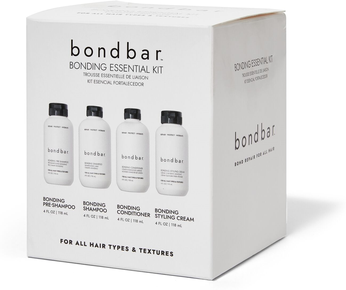
Bondbar Bonding Essential Kitbondbar Bonding Essentials Kit comes with everything you need to kickstart your healthy hair care routine. It includes bondbar Bonding Pre-Shampoo, bondbar Bonding Shampoo, bondbar Bonding Conditioner and bondbar Bonding Styling Cream. Hair is made...29,99 $*Shipping: 0,00 $Secure redirect to the provider
-
Olaplex Nº 7 Bonding OilA hair-care product. It an ultralight, highly concentrated that adds smoothness and strength and enhances all hair types and textures. When used before thermal smodeling devices provides heat protection up to 230°C/450°F. Reduces drying time while smoothing and untangling hair slings. It does not leave any residues or add weight, and can even be used on very thin hair.40,64 £*Shipping: 6,94 £Secure redirect to the provider
-
Redken Acidic Bonding Curls PackRepair inner curl strength and restore your curl pattern with Redken's Acidic Bonding Curls! The Acidic Bonding Curls Shampoo and Conditioner nourishes the hair, with curls (types 3A - 4C) feeling intensely conditioned and hydrated for up to 96 hours*. What's Included? Redken Acidic Bonding Curls Shampoo 300ml Redken Acidic Bonding Curls Shampoo 300ml Redken Acidic Bonding Curls Leave-In Treatment 250ml Acidic Bonding Curls is powered by the Curl Bond Technology which penetrates the hair cortex to build bonds and repair curl strength from the inside-out, whilst Citric Acid and Glycine helps rebalance hair back to its healthiest pH for healthy-feeling hair. The formula is also infused with natural oils such as coconut oil, to help keep curls feeling hydrated. As a result, broken inner bonds are repaired from the inside and the curl pattern is enhanced with natural movement. The range is also sulfate-free to provide gentle cleansing and silicone-free for lightweight, bouncy and curls which feel hydrated. Acidic Bonding Curls System helps restore your pattern's strength, shine, and definition, while making your curls feel more hydrated. Use as a complete regimen with Acidic Bonding Curls shampoo and leave-in treatment. Shampoo Ingredients: 1218391RK44 - INGREDIENTS: AQUA / WATER • SODIUM COCOYL ISETHIONATE • DECYL GLUCOSIDE • COCAMIDOPROPYL BETAINE • SORBITOL • CITRIC ACID • HYDROXYETHYL UREA • POTASSIUM HYDROXIDE • POTASSIUM COCOYL GLYCINATE • PPG-5-CETETH-20 • PANTHENOL • SODIUM BENZOATE • HYDROXYPROPYL GUAR HYDROXYPROPYLTRIMONIUM CHLORIDE • SODIUM CHLORIDE • PEG-55 PROPYLENE GLYCOL OLEATE • PROPYLENE GLYCOL • PARFUM / FRAGRANCE • CAPRYLYL GLYCOL • ACRYLATES/C10-30 ALKYL ACRYLATE CROSSPOLYMER • PEG-150 DISTEARATE • POLYQUATERNIUM-10 • POTASSIUM COCOATE • COCO-CAPRYLATE/CAPRATE • SALICYLIC ACID • GLYCOL DISTEARATE • BUTYROSPERMUM PARKII BUTTER / SHEA BUTTER • PERSEA GRATISSIMA OIL / AVOCADO OIL • LIMONENE • GLYCINE • COCO-BETAINE • LINALOOL • TOCOPHEROL • HELIANTHUS ANNUUS SEED OIL / SUNFLOWER SEED OIL • ROSMARINUS OFFICINALIS LEAF EXTRACT / ROSEMARY LEAF EXTRACT (F.I.L. Z70038193/2). Conditioner Ingredients: 1218392RK74 - INGREDIENTS: AQUA / WATER • CETEARYL ALCOHOL • BEHENTRIMONIUM CHLORIDE • SORBITOL • GLYCERIN • COCOS NUCIFERA OIL / COCONUT OIL • ISOPROPYL MYRISTATE • DISTEAROYLETHYL DIMONIUM CHLORIDE • HYDROXYETHYL UREA • OCTYLDODECANOL • ISOPROPYL ALCOHOL • PARFUM / FRAGRANCE • SODIUM CITRATE • PHENOXYETHANOL • CITRIC ACID • POTATO STARCH MODIFIED • LIMONENE • GLYCINE • HYDROXYPROPYL GUAR • LINALOOL • CITRONELLOL (F.I.L. Z70033454/1). *Based on consumer test results, Acidic Bonding Curls system67,13 £*Shipping: 0,00 £Secure redirect to the provider
-
How much does dental bonding cost?
The cost of dental bonding can vary depending on several factors such as the extent of the treatment, the location of the dental practice, and the expertise of the dentist. On average, the cost of dental bonding can range from $100 to $400 per tooth. It is important to consult with a dentist to get an accurate estimate of the cost based on your specific needs. Additionally, dental insurance may cover a portion of the cost of dental bonding, so it is recommended to check with your insurance provider for coverage details. **
-
What distinguishes all types of bonding: ionic bonding, metallic bonding, and covalent bonding?
Ionic bonding involves the transfer of electrons from one atom to another, resulting in the formation of positively and negatively charged ions that are attracted to each other. Metallic bonding involves the sharing of electrons among a sea of delocalized electrons, creating a "sea of electrons" that holds the metal atoms together. Covalent bonding involves the sharing of electrons between atoms, resulting in the formation of molecules. Despite their differences, all types of bonding involve the interaction of electrons between atoms to form stable chemical compounds. **
-
What distinguishes all types of chemical bonding: ionic bonding, metallic bonding, and covalent bonding?
The main distinction among the three types of chemical bonding lies in the way atoms are held together. In ionic bonding, atoms transfer electrons to achieve a stable electron configuration. Metallic bonding involves a sea of delocalized electrons shared among a lattice of metal atoms. Covalent bonding, on the other hand, involves the sharing of electrons between atoms to achieve a stable electron configuration. Each type of bonding results in different properties and behaviors of the substances formed. **
-
What are examples of ionic bonding, covalent bonding, and metallic bonding?
Ionic bonding occurs when one atom transfers electrons to another, resulting in the formation of positively and negatively charged ions that are attracted to each other. An example of ionic bonding is the bond between sodium and chlorine in sodium chloride (table salt). Covalent bonding occurs when atoms share electrons to achieve a full outer shell. An example of covalent bonding is the bond between two hydrogen atoms in a molecule of hydrogen gas (H2). Metallic bonding occurs in metals, where the outer electrons of the atoms are delocalized and free to move throughout the structure, creating a "sea" of electrons that hold the metal atoms together. An example of metallic bonding is the bond between atoms in a piece of copper metal. **
Similar search terms for Bonding
-
Redken Acidic Bonding Concentrate PackExperience total hair transformation with this powerhouse restorative pack from Redken, containing: • Redken Acidic Bonding Concentrate Shampoo 300ml • Redken Acidic Bonding Concentrate Conditioner 300ml • Redken Acidic Perfecting Concentrate Leave-in Treatment 150ml The Acidic Bonding Concentrate Shampoo works to cleanse and fortify hair, leaving it more manageable, smoother and shinier - from root to tip. The Acidic Bonding Concentrate Conditioner intensely conditions hair while reinforcing weakened bonds. The perfecting Acidic Perfecting Concentrate Leave-in Treatment imbues hair with strength, shine, and hydration, working to reduce breakage and preventing colour fade. Boasting citric acid and a concentrated bonding care complex, the Acidic Bonding Concentrate Pack is ideal for those with damaged and processed hair. Free of sulfates. Ingredients Shampoo: Aqua / Water / Eau, Decyl Glucoside, Sodium Cocoyl Isethionate, Cocamidopropyl Betaine, Citric Acid, Sodium Hydroxide, Panthenol, Glycerin, Dimethicone, Peg-150 Distearate, Ppg-5-Ceteth-20, Sodium Benzoate, Sodium Chloride, Peg-55 Propylene Glycol Oleate, Propylene Glycol, Carbomer, Parfum / Fragrance, Coco-Caprylate/Caprate, Polyquaternium-67, Salicylic Acid, Amodimethicone, Sodium Phytate, Glycol Distearate, Coco-Betaine, Acrylates/Beheneth-25 Methacrylate Copolymer, Limonene, Trideceth-6 Conditioner: Aqua / Water / Eau, Cetearyl Alcohol, Glycerin, Behentrimonium Chloride, Dimethicone, Bis-Cetearyl Amodimethicone, Cetyl Esters, Citric Acid, Isopropyl Alcohol, Dicetyldimonium Chloride, Parfum / Fragrance, Sodium Citrate, Phenoxyethanol, Candelilla Cera / Candelilla Wax / Cire De Candelilla, Isopropyl Myristate, Hydroxypropyl Guar, Limonene, Coco-Betaine, Amodimethicone, Cetrimonium Chloride, Dilauryl Thiodipropionate, Trideceth-10, Sodium Chloride, Linalool, Peg-100 Stearate, Citronellol, Steareth-6 Treatment: Aqua / Water / Eau, Dimethicone, Cetearyl Alcohol, Amodimethicone, Phenoxyethanol, Polyquaternium-37, Dimethiconol, Parfum / Fragrance, Propylene Glycol Dicaprylate/Dicaprate, Trideceth-5, Steareth-20, Cetyl Hydroxyethylcellulose, Glycerin, Citric Acid, Limonene, Ppg-1 Trideceth-6, Trideceth-10, Sodium Hydroxide, Chlorhexidine Digluconate, Sorbitan Oleate, Acetic Acid, Linalool, Citronellol, Citral, Eugenol. *When used as a system of Acidic Bonding Concentrate Shampoo and Conditioner vs. non-conditioning shampoo ** When used as a system of Acidic Bonding Concentrate Shampoo, Conditioner and Leave-In Treatment vs. non-conditioning shampoo66,00 £*Shipping: 0,00 £Secure redirect to the provider
-
Olaplex No. 7 Bonding Oil 30mlA luxurious, highly concentrated reparative styling hero, the Olaplex Bonding Oil dramatically improves shine and colour vibrancy while protecting hair structure. Key Benefits: Minimises frizz and fly-aways Provides heat protection of up to 450° Restores healthy texture and appearance Repairs damaged, compromised hair OLAPLEX products are thoroughly tested in accordance with industry standards in-house and by independent third-party laboratories for safety and efficacy. Formulated without parabens, sulfates and phthalates. Vegan, cruelty-free formula. Ingredients Dimethicone, Isohexadecane, C13-14 Isoparaffin, Coco-Caprylate, Phenyl Trimethicone, Bis-Aminopropyl Diglycol Dimaleate, Propanediol, Zea Mays (Corn) Oil, Beta-Carotene, Helianthus Annuus (Sunflower) Seed Oil, Moringa Oleifera Seed Oil, Punica Granatum Seed Oil, Water (Aqua), Morinda Citrifolia Fruit Powder, Fragrance (Parfum), Hexyl Cinnamal, Eclipta Prostrata Extract, Ethylhexyl Methoxycinnamate, Limonene, Tocopherol, Citral, Linalool, Melia Azadirachta Leaf Extract, Citronellol, Pseudozyma Epicola/Camellia Sinensis Seed Oil Ferment Extract Filtrate22,40 £*Shipping: 0,00 £Secure redirect to the provider
-
Redken Acidic Bonding Concentrate Conditioner 1000mLA conditioner. Formulated with citric acid, presents a concentrated bonding care complex that strengthens weakened bonds, improving hair strength. With an acidic pH to help the hair defend against the negative effects of coloring, styling tools and even water. Apply to wet hair, massage and rinse. For best results, complement with the remaining Acidic Bonding Concentrate range.43,49 £*Shipping: 15,47 £Secure redirect to the provider
-
What is the difference between ionic bonding, covalent bonding, and metallic bonding?
Ionic bonding involves the transfer of electrons from one atom to another, resulting in the formation of positively and negatively charged ions that are held together by electrostatic forces. Covalent bonding involves the sharing of electrons between atoms to achieve a stable electron configuration. Metallic bonding occurs in metals, where electrons are delocalized and free to move throughout the material, creating a "sea of electrons" that hold the metal atoms together. Each type of bonding results in different properties and behaviors of the substances involved. **
-
Who is familiar with chemistry in ionic bonding, metallic bonding, and molecular bonding?
Individuals who have studied chemistry at a high school or college level are likely to be familiar with ionic bonding, metallic bonding, and molecular bonding. This includes students, teachers, and professionals in the fields of chemistry, chemical engineering, and materials science. Additionally, those who have a general interest in science and have taken courses or done independent study in chemistry may also have knowledge of these types of chemical bonding. **
-
What is the difference between covalent bonding and ionic bonding?
Covalent bonding involves the sharing of electrons between atoms to achieve a stable electron configuration, typically between nonmetals. Ionic bonding involves the transfer of electrons from one atom to another, resulting in the formation of positively and negatively charged ions that are attracted to each other, typically between a metal and a nonmetal. In covalent bonding, the atoms involved have similar electronegativities, while in ionic bonding, there is a significant difference in electronegativities between the atoms. **
-
What are the similarities between ionic bonding and covalent bonding?
Both ionic bonding and covalent bonding involve the sharing or transfer of electrons between atoms to achieve a stable electron configuration. In both types of bonding, the goal is for each atom to achieve a full outer electron shell. Additionally, both types of bonding result in the formation of a compound with a neutral charge. However, the key difference between the two is that ionic bonding involves the transfer of electrons from one atom to another, while covalent bonding involves the sharing of electrons between atoms. **
* All prices are inclusive of VAT and, if applicable, plus shipping costs. The offer information is based on the details provided by the respective shop and is updated through automated processes. Real-time updates do not occur, so deviations can occur in individual cases. ** Note: Parts of this content were created by AI.